What do garden clubs do?
How often/when do the clubs meet?
Can both husband and wife join?
How much does it cost to join?
How is the garden club structured?
Why be federated?
Where does the money for dues go?
How much work will I be expected to do?
What are some of the community projects?
What are some of the programs?
Who we (The Garden Club of Indiana,
Inc.) are!
Why Join The
Garden Club of Indiana, Inc.?
Where are the Clubs located and
when do they meet?
Membership Application ---Join Us!
Application for for new Garden
Club
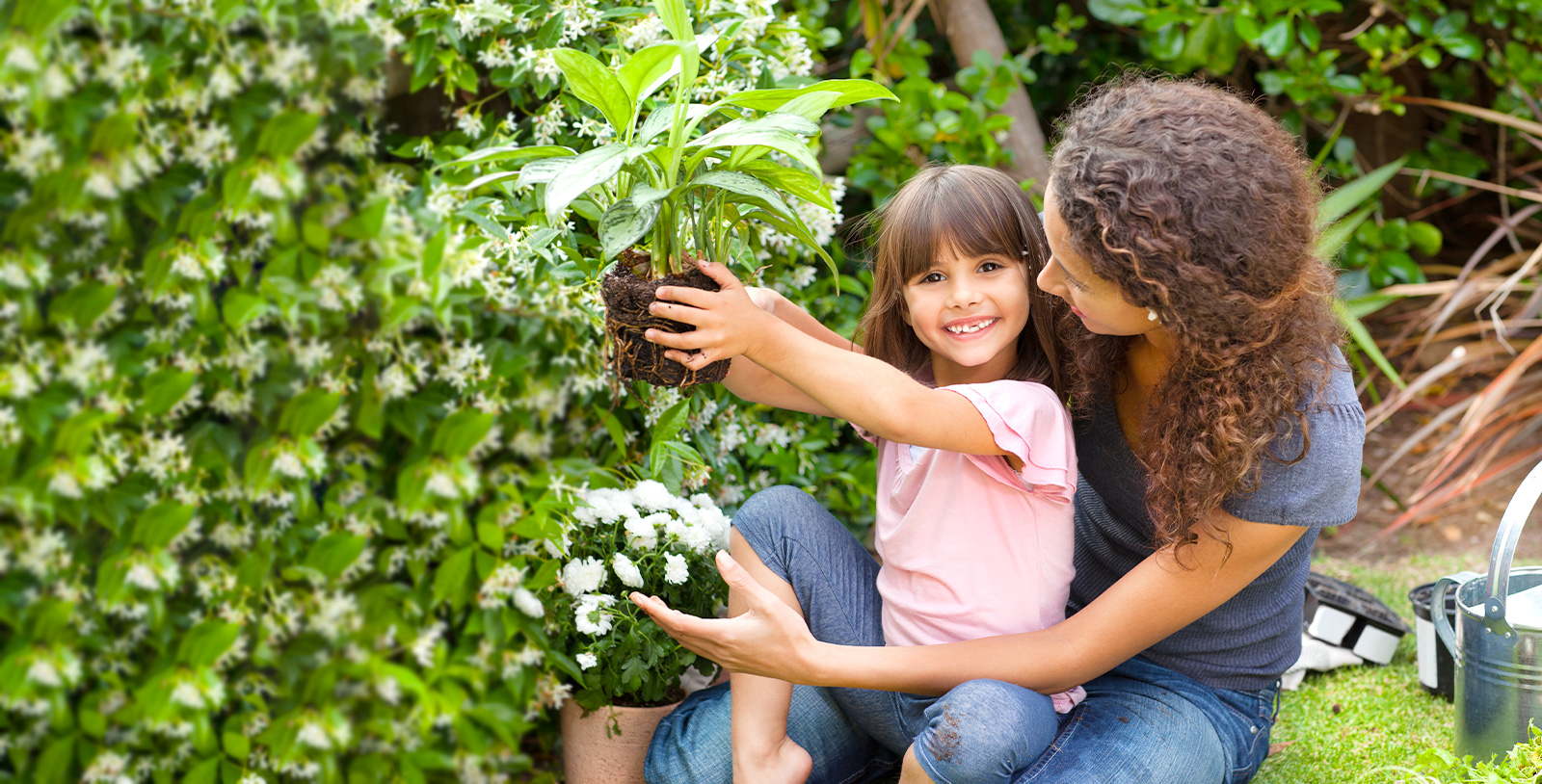
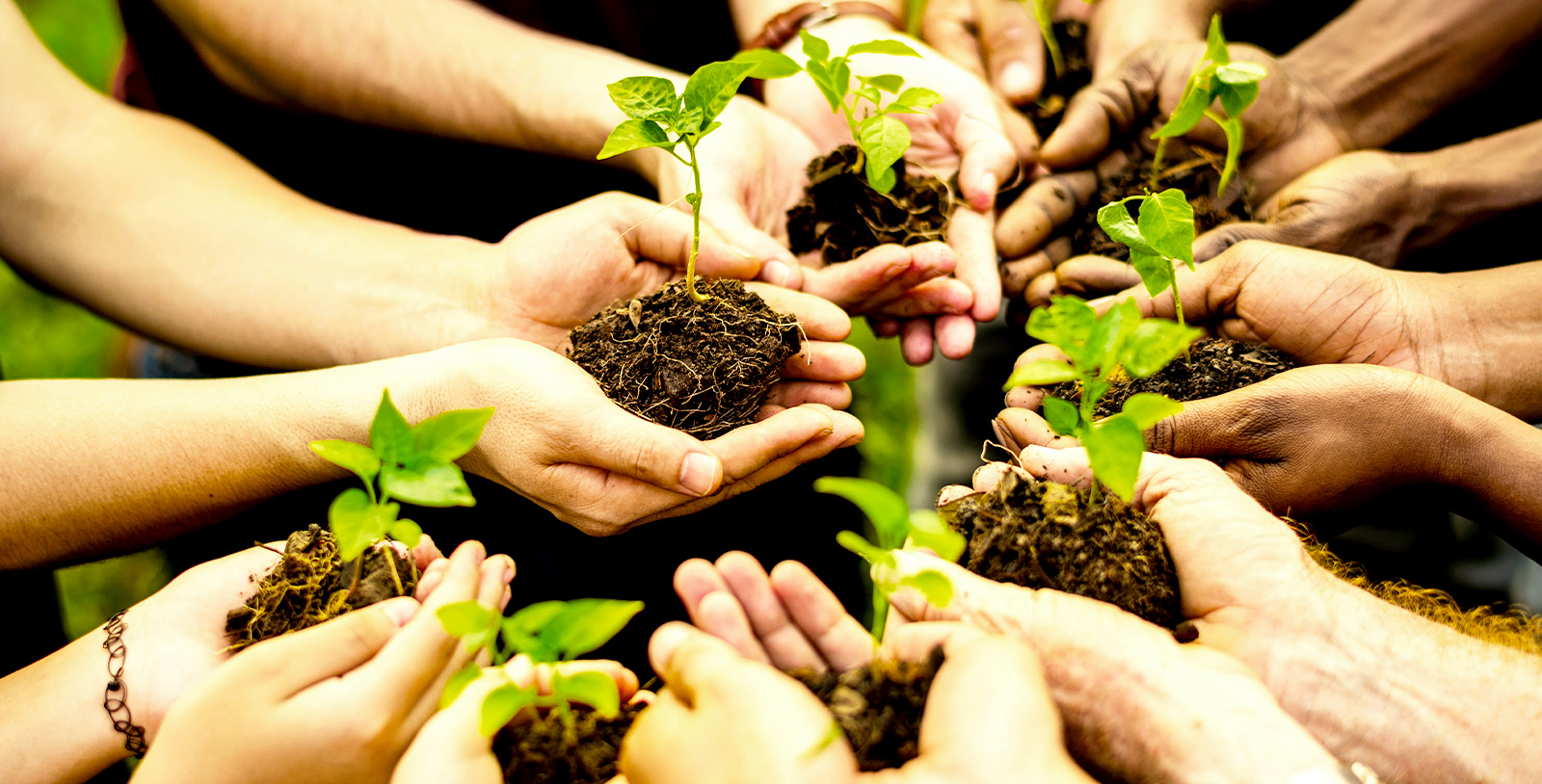
Garden clubs are made up of members who have a
passion for growing things. Its members respect plant life, animals,
nature, and the environment. They feel the need to give back to their
community. Each garden club is individual, and may emphasize growing,
landscaping, wildlife habitats, flower arranging, or other specific
interests. Members come from all ages, backgrounds, experiences. Don't
find what you like in your area or age range or time? Start a new club!
Contact the membership chairperson for details.
Generally, most garden clubs meet monthly
in homes or in a community building. Some smaller clubs meet in member's
homes. Some clubs have designated members bring a snack for the group.
Yes, most clubs encourage men as well as
women members. Many clubs, especially those that meet in the evening
actively seek men as members. Since each club writes their own rules, be
sure to ask.
Most of the Indiana clubs keep their dues between $15 and $30 per year per person.
Most clubs have a board of directors
consisting of president, vice-president, secretary (recording and/or
corresponding), and treasurer. Most also have appointed positions on
standing committees based on what the group is interested in doing. Each
club then belongs to a District. There are 8 districts in Indiana. The
districts are comprised of clubs in one or more counties. Each district
belongs to the state organization, The Garden Club of Indiana, Inc.
The state organization then belongs to the National Garden Clubs,
Inc., headquartered in St. Louis, MO.
A federated garden club belongs to
the National Garden Clubs, Inc. organization. Federation allows the club
to use the resources of the national organization. This includes program
material, access to books, access to experts, etc. Additionally, members
may take classes to become nationally certified as flower show judges,
landscape consultants, gardening consultants, or environmental
consultants.
Member dues pay for many things at many
levels of the garden club.
| • |
$0.50 |
National Garden Clubs, Inc. |
This pays for the
National Gardener Magazine which goes to every club president, coordination of the state
activities, and items of common interest |
| • |
| • |
$7.50 |
The Garden Club of Indiana, Inc. |
State Operating Expenses |
| • |
remainder |
Club |
The club dues usually pay
for programs and speakers. Many clubs donate money to local
garden-related activities and community service projects. |
You can do as much or as little as you
want. BUT, the more involved you are, the more you can get out of the
experience.
| • |
Beautifying a main street or a park by
planting and maintaining the site |
| • |
Working with Habitat For Humanity to
develop landscaping for new homes by providing plants, tools,
and assisting residents in planting their homes |
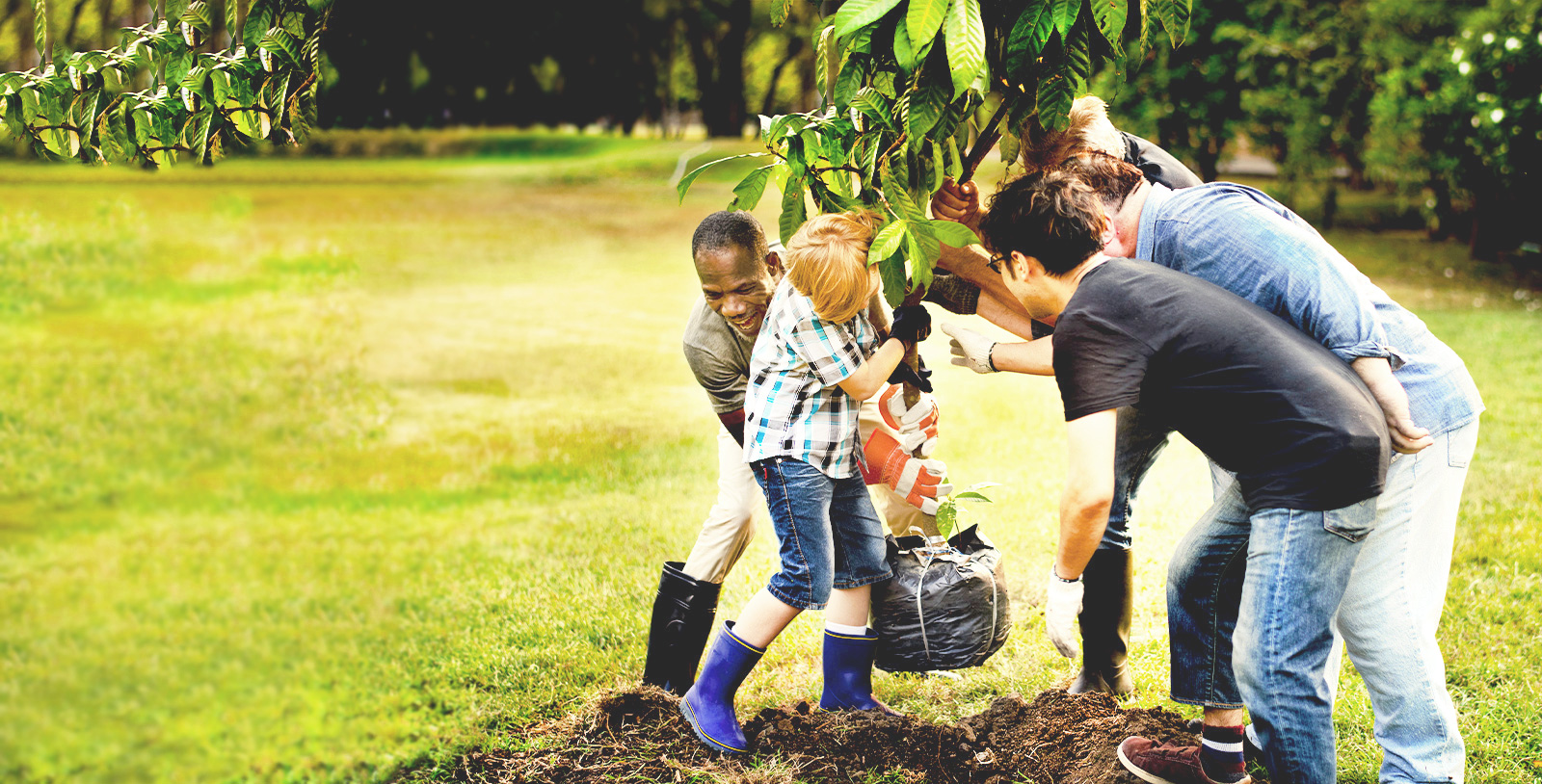
| • |
Working with children to plant flowers
or bulbs around their schools or helping them plant butterfly
gardens in a public area |
| • |
Presenting programs to scouts, 4-H,
and to School classes |
| • |
Establishing youth clubs for children
of various ages who meet on a regular basis throughout the year |
| • |
Holding Standard Flower. Through flower
shows, garden clubs can inform and educate the general public
about horticulture, floral design, and special projects
highlighted in the educational exhibits. |
Garden clubs provide stimulating and informative programs for their
members on a wide range of topics such as:
| • |
Growing annuals, perennials, shrubs,
trees, vegetables, houseplants, roses, chrysanthemums, cacti,
succulents, hollies, broadleaved evergreens, needled evergreens
and so on |
| • |
Learn useful landscape ideas to
incorporate in ones own yard |
| • |
Study of birds, butterflies, helpful
insects in the garden and learning which plants will attract
them |
| • |
Basic flower arranging techniques |
| • |
How to prepare horticulture and design
for Standard Flower Shows |
| • |
Conservation of our natural resources,
preservation of historic sites, and recycling practices |
| • |
Learning about water features and pond
gardens |
|